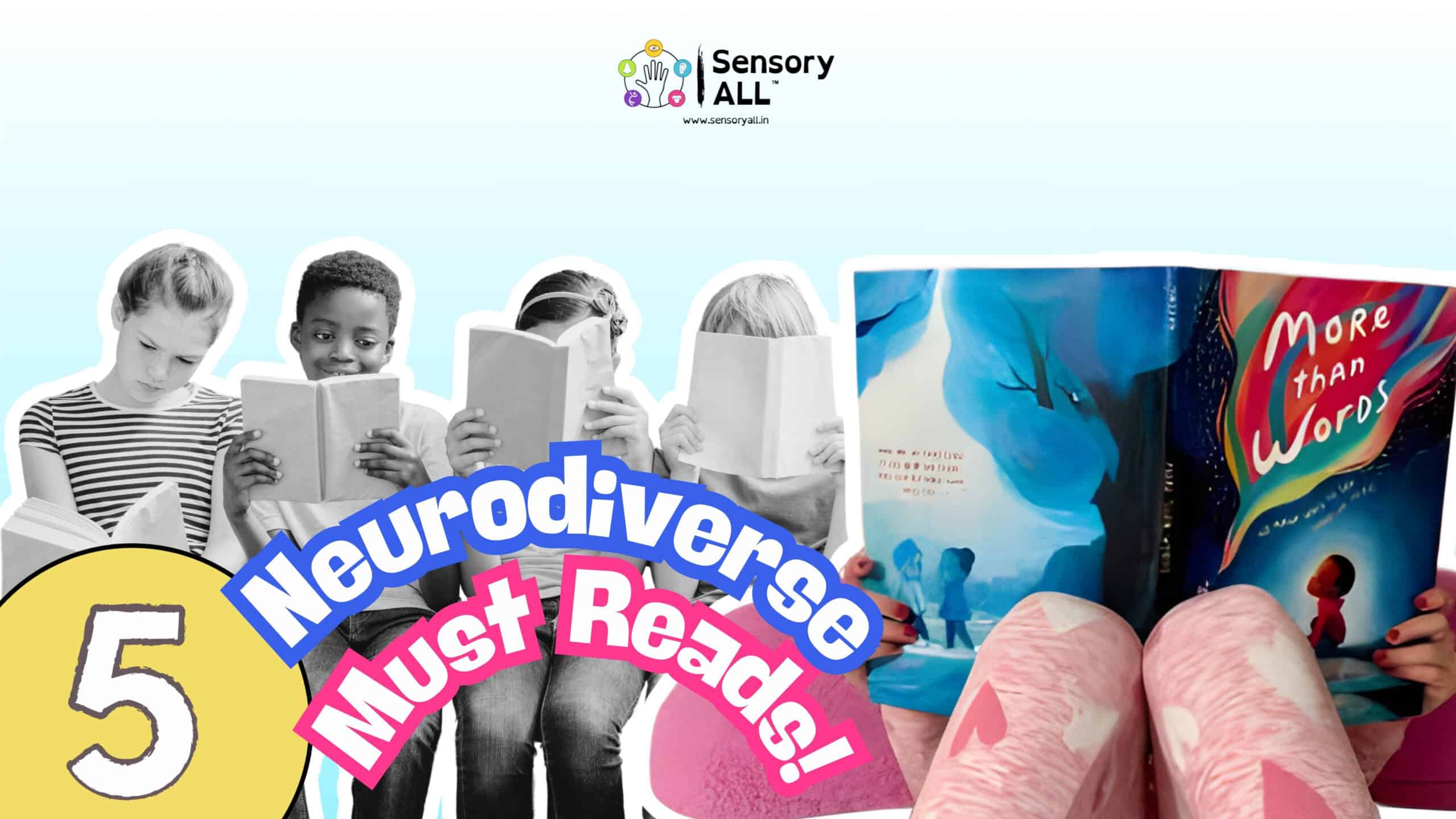
Stories have an extraordinary ability to open up worlds beyond our own. They invite us to feel, imagine, and connect with experiences that broaden our understanding of what it means to be human. Neurodiversity, which celebrates the many unique ways our brains function, is one such world that children’s literature helps us explore with depth and empathy.
The following five books are more than just stories; they are windows into identity, resilience, and acceptance. Through neurodivergent and differently-abled characters, each book challenges stereotypes, celebrates individuality, and shines a gentle light on the many ways people experience the world. Whether you want to learn, relate, teach, or simply be moved, these tales remind us that inclusion begins with listening and understanding.
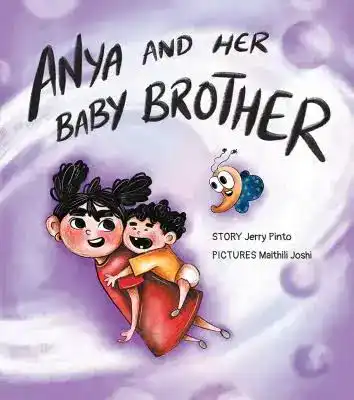
Illustrated by Maithili Joshi and published by Tulika Books, this warm and insightful picture book follows Anya, an older sister trying to understand why her baby brother behaves differently from other babies. He doesn’t smile, respond, or play the way she expects him to, and Anya’s confusion feels familiar to many siblings encountering difference for the first time.
Over time, she begins to understand his uniqueness, gradually learning that love often means meeting someone where they are. Jerry Pinto writes with tenderness and gentle humour, offering families an accessible entry point into conversations about developmental differences and acceptance.
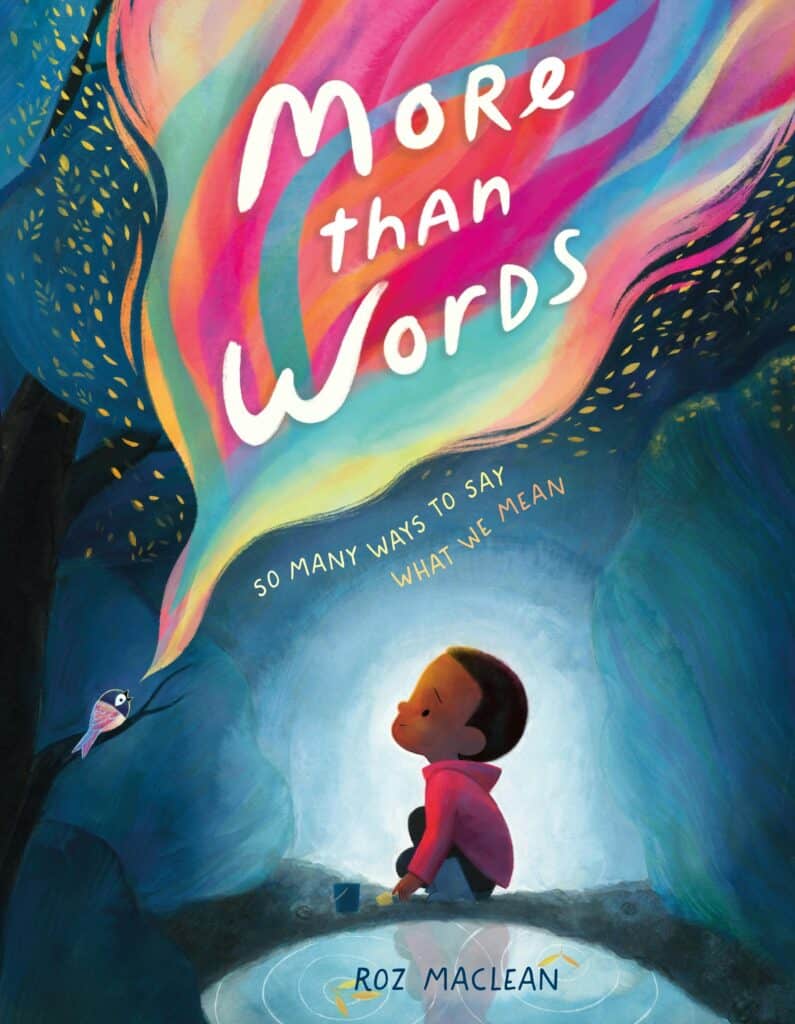
This beautifully illustrated book celebrates the diversity of human communication. Nathan, a boy who does not speak much, is at the centre of a vibrant classroom where children express themselves through gestures, drawing, sign language, AAC devices, movement, and more.
The story powerfully shows that communication does not begin and end with spoken words; instead, it flows through countless channels, each meaningful in its own way. Roz MacLean’s work is informed by her experience supporting disabled and neurodivergent communities, and the book includes thoughtful explanations of Augmentative and Alternative Communication, making it both heartfelt and educational.
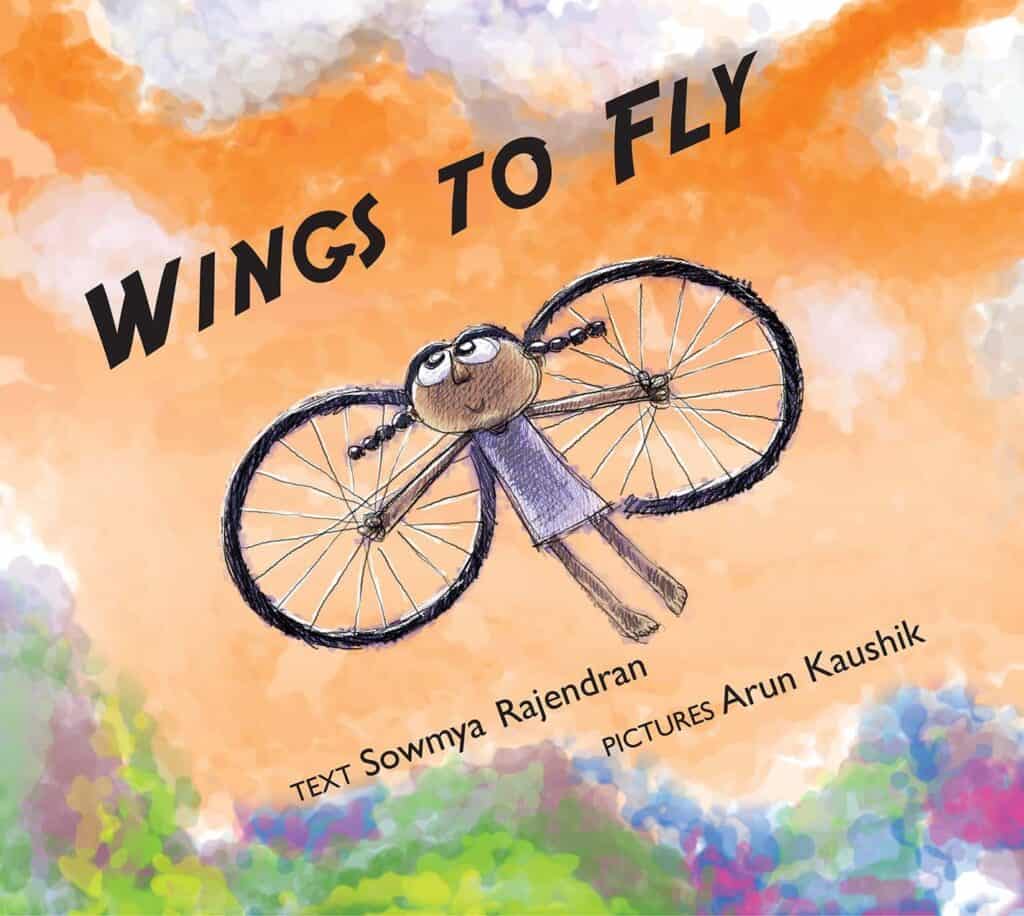
Based on the life of Paralympian Malathi Holla and brought to life through Arun Kaushik’s illustrations, this book tells the inspiring childhood story of a girl who dreams fearlessly, even when her world presents physical limitations.
Growing up in a wheelchair never dims Malathi’s determination or joy. Instead, her early struggles shape her into the record-breaking athlete she becomes. Sowmya Rajendran’s storytelling is simple yet powerful, helping young readers understand disability not as a barrier, but as a part of someone’s lived reality—one that does not limit ambition, talent, or spirit.
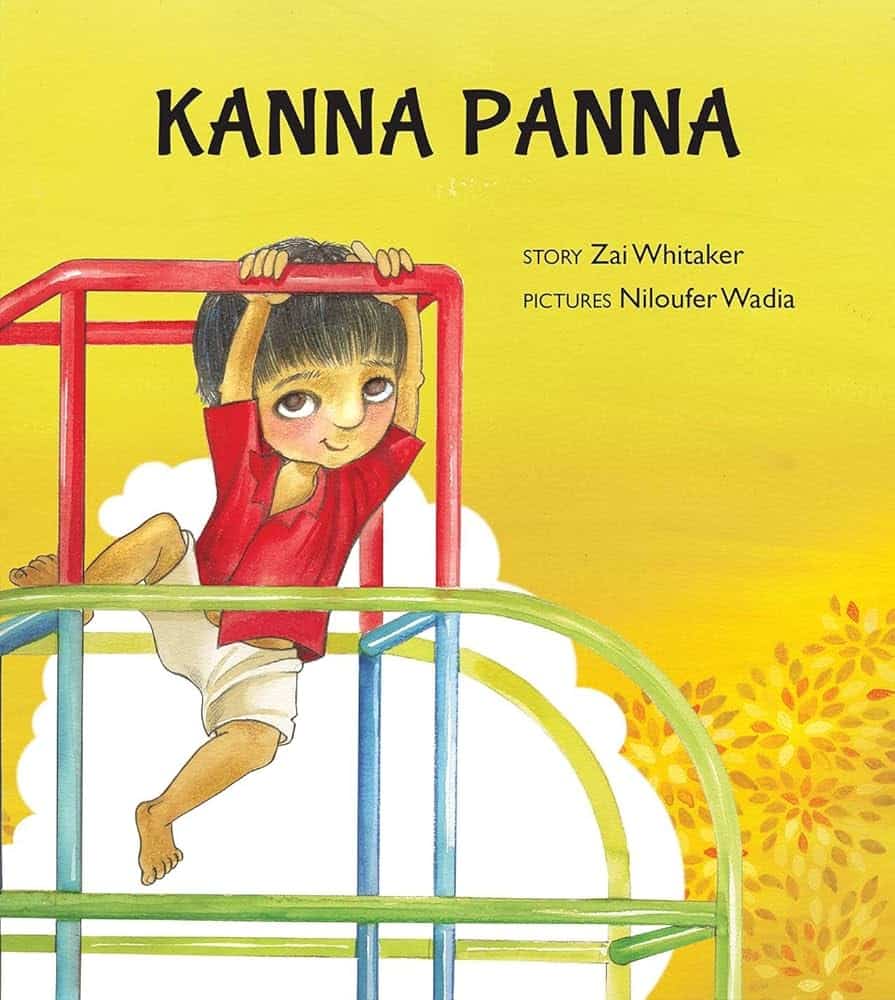
Illustrated by Niloufer Wadia, this story follows Kanna, a quiet boy who is blind and often underestimated by others because he speaks very little. When a blackout plunges a cave temple into darkness, panic spreads among the group. Yet it is Kanna who remains calm.
His familiarity with navigating spaces without sight and his strong memory allow him to guide everyone safely out. The story reframes disability by showing how Kanna’s lived experience becomes his strength, gently encouraging readers to rethink assumptions about capability, confidence, and leadership.
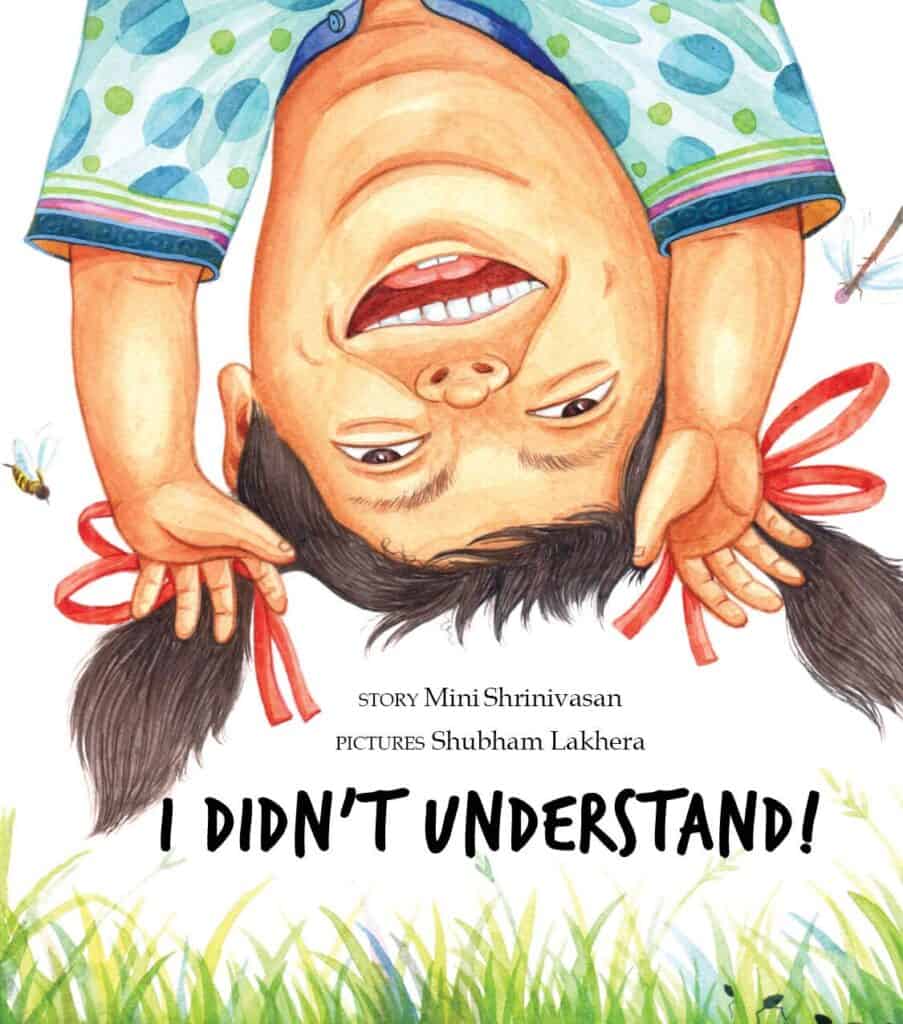
Told from the perspective of Manna, a child with Down syndrome, this book offers a rare and intimate window into her emotional world. Manna describes school moments that feel confusing, hurtful, or joyful, revealing how easily misunderstandings can arise when adults and peers fail to see things from her point of view.
Mini Shrinivasan writes with honesty and empathy, allowing Manna’s innocence and sincerity to guide the narrative. Shubham Lakhera’s illustrations deepen the emotional texture of the story. Together, they create a tender exploration of difference, belonging, and the importance of kindness in everyday interactions.
Children’s books play a quiet yet powerful role in shaping how young minds understand difference. The stories above do more than represent neurodivergent and disabled characters. They invite readers to slow down, question assumptions, and build empathy through lived experiences. By centering diverse voices and perspectives, these books help normalise difference rather than treat it as something to be fixed or feared.
In a world that often demands conformity, such stories remind us that there is no single “right” way to think, feel, communicate, or exist. Inclusion begins when we listen, and these books offer a beautiful place to start.