By Ketki Agarwal, Founder – iThrive Child Development Centre
If you’ve ever seen a child struggling to stay seated, covering their ears in the cafeteria, or breaking down halfway through the school day, chances are — it wasn’t “bad behavior.”
It was a nervous system under stress.
Modern classrooms ask a lot from kids — sit still, listen, focus, follow, don’t interrupt, don’t stim. But many children, especially those who are neurodivergent, walk into school each day with sensory systems that are already working overtime.
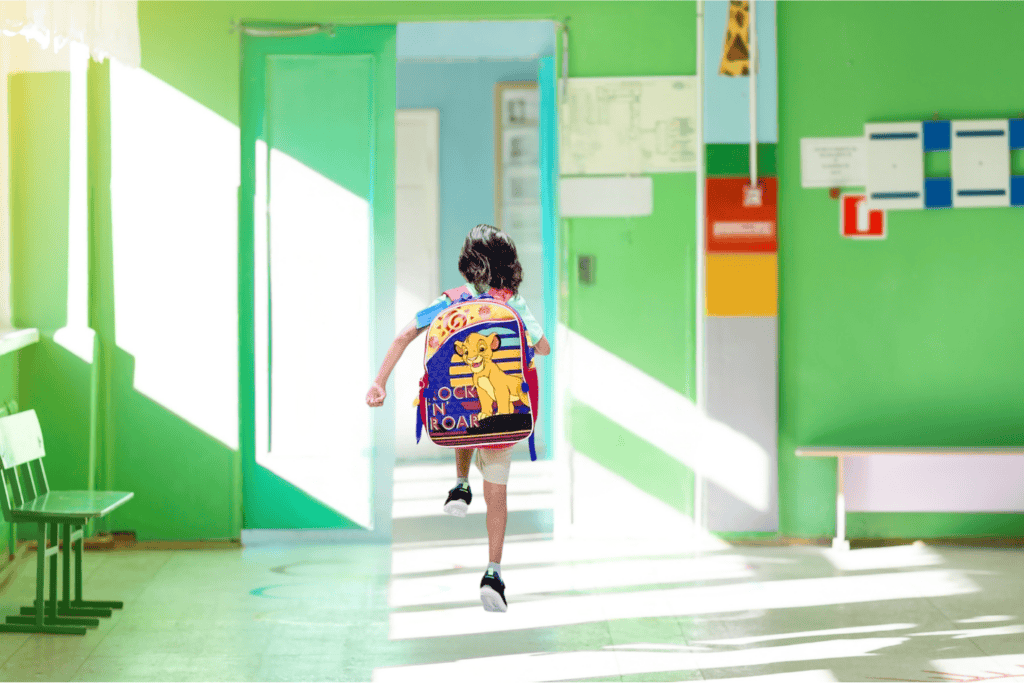
What they need isn’t more discipline. What they need is a space that helps them reset.
That’s where sensory rooms come in — and why they’re no longer a “nice-to-have.” They’re essential.
A sensory room is a thoughtfully designed space that supports regulation through sensory input. These rooms use tools like:
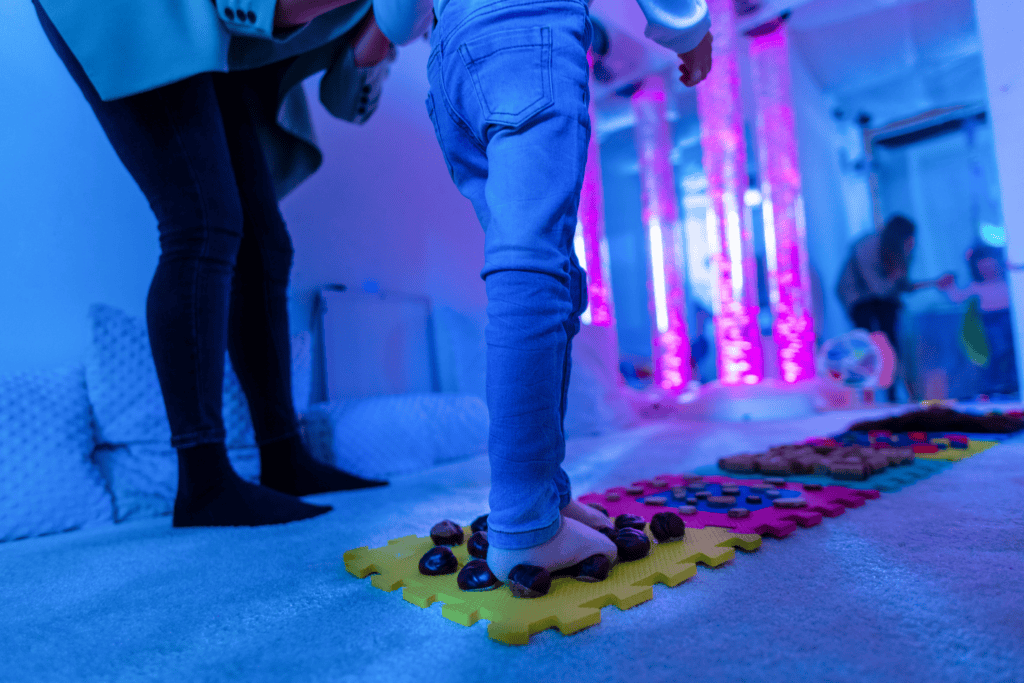
The goal is simple: help a child’s nervous system return to balance — whether they need calming down, waking up, or just space to feel grounded.
These spaces are especially helpful for children with sensory processing differences, autism, ADHD, or anxiety — but they support all students. Every child benefits from learning to listen to their body and respond to their needs.
At our centre, we work with children every day. We have seen the breakdown again and again. Children are doing their best, but many are overwhelmed. That’s where sensory rooms come into play.
Here’s how:
I have said this many times and will reinforce it one more time: a child in distress isn’t ready to learn.
Regulation — not compliance — is the foundation for attention, memory, and problem-solving. Sensory rooms give students the chance to reset their systems, so they can return to the classroom with better focus and emotional control.
What looks like “acting out” is often sensory overload.
When students have a safe place to decompress before reaching the tipping point, schools see fewer meltdowns, fewer disruptions, and smoother transitions.

Over time, children who use sensory rooms start to notice their patterns:
“I feel overwhelmed — the movement zone helps.”
“I can’t focus — I need something calming.”
This isn’t just self-regulation. It’s self-advocacy — and it’s a powerful life skill.

Sensory rooms don’t replace the classroom — they strengthen it.
Teachers are better able to support diverse learning needs when children have a space to recalibrate. The classroom becomes more emotionally available for everyone.
It’s not about fancy equipment. It’s about intention.
A strong sensory room includes:
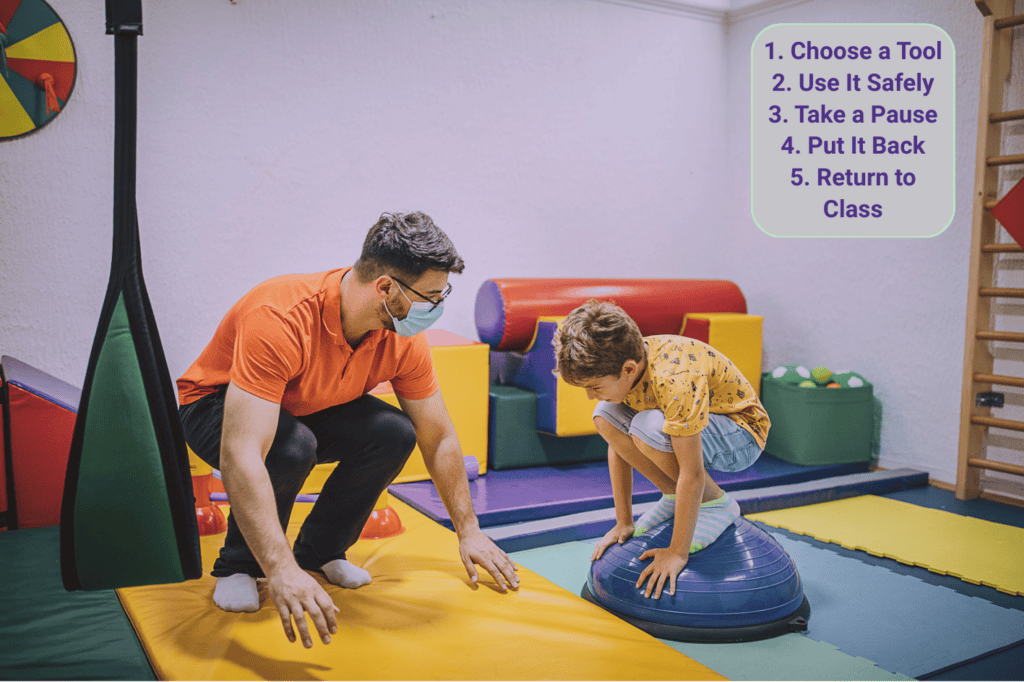
Above all, it should be a space where children feel: Safe, Seen and in control of their experience.
When we make space for sensory needs, we’re not just reducing meltdowns or improving focus.
This is something I learned early in my own parenting journey.
As my son’s pre-school principal used to say, “Let the child be.” This message changed everything for me.
Earlier, I would worry when I arrived at pick-up and found him always in the sandpit while the other children were in the classroom drawing or colouring. But that one sentence shifted my whole perspective.
I realised they weren’t outcasting him — they were giving him the space to be himself.
And this was 15 years ago. We’ve come too far since then to not have sensory rooms in schools.

Sensory rooms, even if they begin as something as simple as a sandpit, aren’t just tools for individual students — they’re part of a wider shift toward inclusive, responsive learning environments. They help us move from managing behavior to understanding needs. From reacting to supporting.
I believe that every school should have access to this kind of space — not someday, but now.
This blog is in collaboration with I-THRIVE Child Developmental Center, Ahmedabad — a leading child development clinic offering multidisciplinary support for children with diverse developmental needs. I-THRIVE provides comprehensive services including early intervention, occupational therapy, speech and language therapy, special education, and behavioural support, enabling children to build essential life skills in a nurturing, child-centred environment. With a strong focus on sensory integration and holistic development, the centre works closely with families to create meaningful, long-term impact.
Visit their website here: https://www.ithrivecentre.com/