Creating a sensory-friendly space is crucial for supporting individuals with sensory sensitivities, such as autism, ADHD, or sensory processing disorders. These individuals often struggle with environments that aren't adapted to their needs, leading to discomfort, anxiety, or overstimulation. Sensory-friendly spaces help them manage sensory input, allowing for better focus and emotional regulation. Key aspects to consider include soft, adjustable lighting, soundproofing to reduce noise, a variety of soothing textures, spacious layouts for personal space and movement, and the availability of sensory tools like fidget toys or weighted blankets to aid in self-regulation.

Lighting is vital in creating a sensory-friendly space, especially for individuals with sensory sensitivities, such as individuals with autism or ADHD. Harsh, bright lighting can lead to overstimulation, discomfort, and/or anxiety. It is important to incorporate soft, natural lighting whenever possible, to foster a calming environment. If natural light isn’t available or appropriate, dimmable lamps with warm, ambient hues can be used to reduce glare and minimise harsh shadows. Adjustable lighting options allow individuals to customise the brightness to their comfort level, enhancing their control over the environment.
It’s also helpful to integrate multiple light sources, such as floor and table lamps, to create varied lighting zones that accommodate different preferences. This flexibility ensures that lighting is gentle, soothing, and non-intrusive, making the space more comfortable, adaptable and customisable to individual needs. The right lighting choices can significantly reduce stress and overstimulation, creating a peaceful and welcoming atmosphere for everyone.
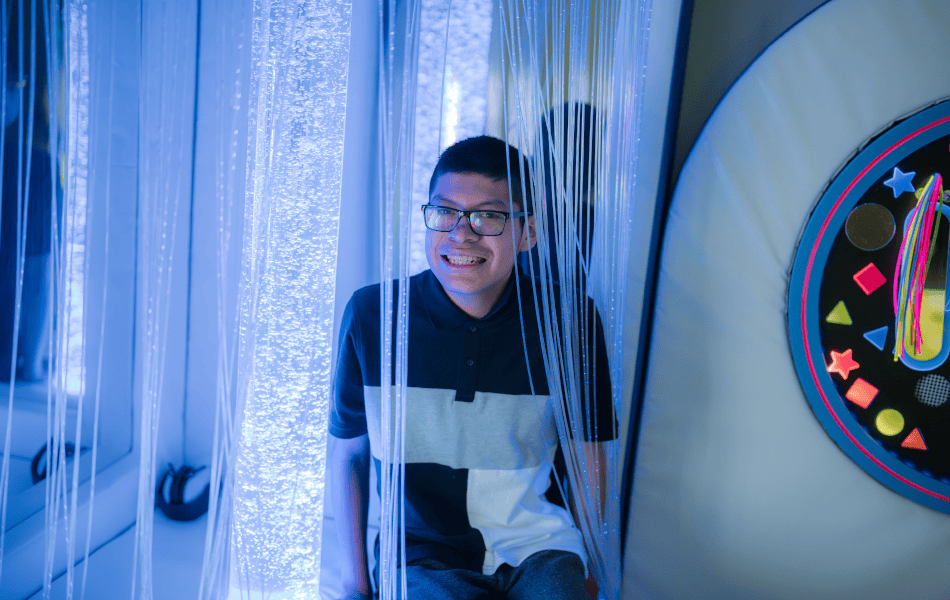
Noise is a common trigger for individuals with sensory sensitivities, as excessive or unpredictable sounds can be overwhelming and lead to heightened anxiety. To minimise auditory discomfort, implementing soundproofing strategies is essential. Materials such as carpets, curtains, and acoustic panels can effectively absorb sound and reduce background noise, creating a more peaceful environment.
While some individuals may prefer complete silence and calm, others might benefit from soft, calming background sounds, like sounds of nature or low-level instrumental music, to help mask disruptive noises. White noise machines are excellent tools to create tranquil environments with calming sounds, ideal for relaxation, focus, or improving sleep quality. Also, providing noise-cancelling headphones or designated quiet areas can offer essential retreats when sound becomes too overwhelming, promoting comfort and focus.
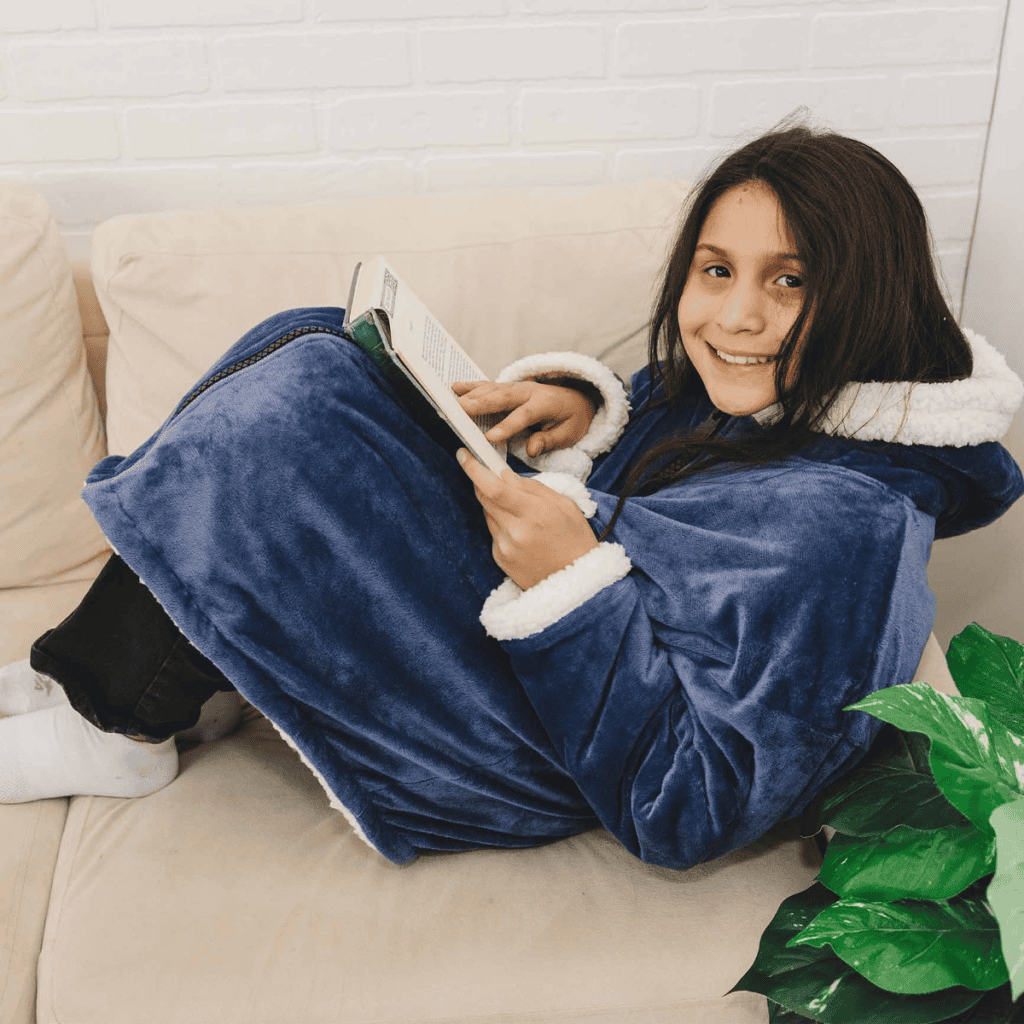
The feel of materials in a sensory-friendly space is just as important as its visual and auditory elements. Textures can significantly influence the comfort level of a space by either soothing or overwhelming individuals with tactile sensitivities who use them. However, different individuals have varying sensitivities to textures and hence a need analysis is pivotal to understand and customise the incorporation of textures in a particular space according to individual preferences. Incorporating soft and comfortable materials, such as plush cushions, textured rugs, and smooth furniture, can make an environment feel more inviting and secure for some individuals. Conversely, some may enjoy rough or scratchy fabrics to feel calm.
By offering a diverse range of textures, individuals can explore and find what feels best for them, whether it’s the softness of a cushion, the smoothness of a tabletop, or the plushness of a rug. Proprioceptive input refers to the body’s sense of position and movement, helping regulate balance and coordination. Engaging in deep-pressure activities, like using weighted blankets, can provide calming sensory feedback, reducing stress and promoting relaxation through gentle, secure pressure.
This thoughtful selection and balance of tactile experiences are crucial in creating a sensory-friendly atmosphere, promoting a sense of safety and calm. A well-curated tactile environment can significantly enhance the overall sensory experience, fostering relaxation and engagement for individuals with varying sensory needs.
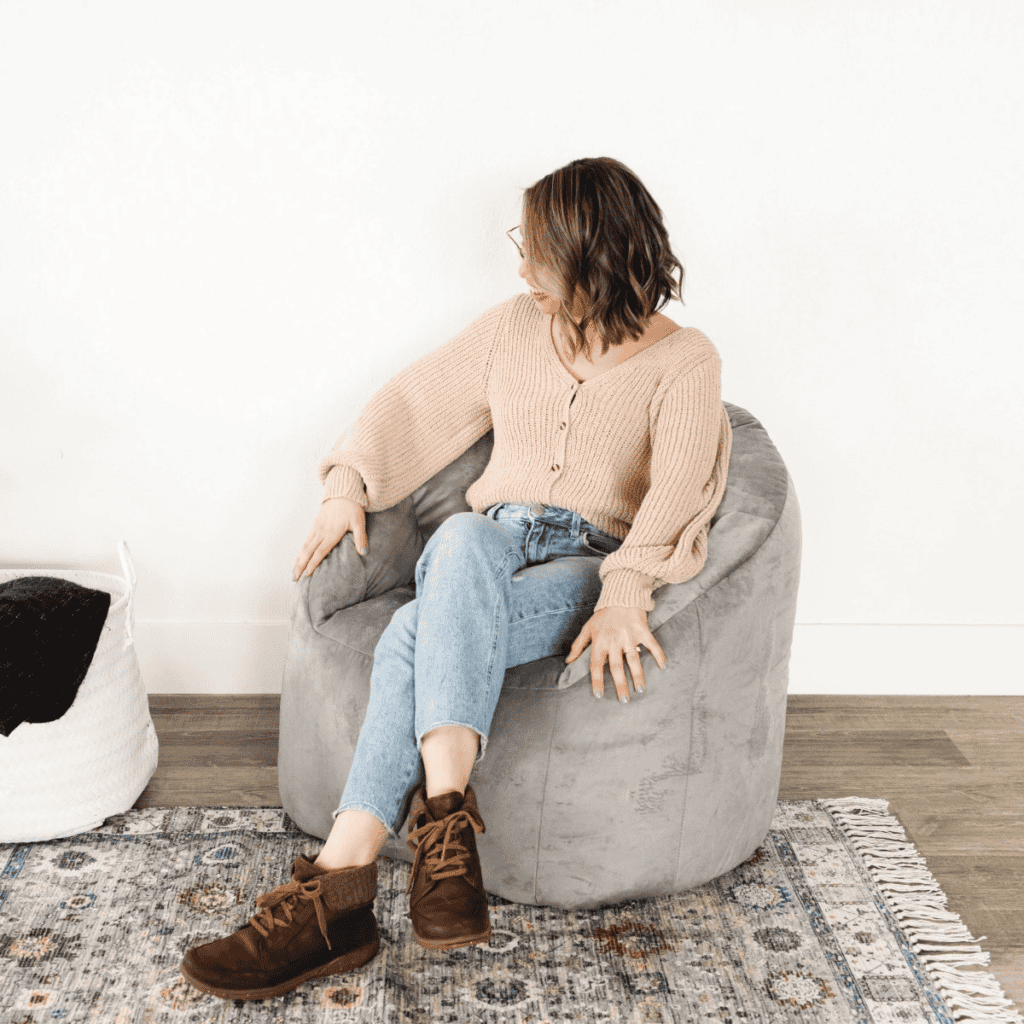
Personal space and freedom to move are essential for individuals who may feel overwhelmed in crowded or cluttered environments. Designing a predictable layout that accommodates both movement and privacy can significantly reduce anxiety and enhance comfort levels. It’s important to ensure there is ample space for individuals to navigate without bumping into obstacles or getting overwhelmed by unexpected surprises, which can be stressful.
Additionally, designating quiet zones within the space is beneficial; using partitions or strategically arranged furniture can create areas where people can retreat if they feel overstimulated. These designated spaces should be free from noise and distractions, providing a calming, quiet environment for individuals to recharge and regain focus.
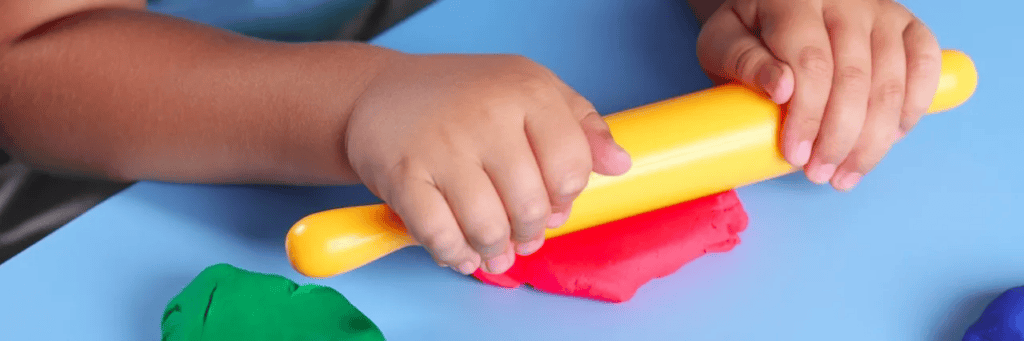
Sensory tools, such as stress balls, fidget spinners, or weighted blankets, play a vital role in helping individuals manage their sensory input, providing necessary tactile stimulation or calming pressure that supports emotional regulation and focus. These tools can be particularly effective for those with autism, ADHD, or other sensory processing disorders, allowing them to self-regulate in potentially overwhelming environments.
By making these tools easily accessible within a sensory-friendly space, individuals are empowered to use them as needed, without having to ask for assistance. On the other hand, fidget tools offer a more active form of sensory engagement, helping individuals who require extra stimulation to concentrate more effectively during tasks.
Offering a variety of sensory tools ensures that you cater to the different ways an individual manages their sensory needs and customise them based on those particular needs. Whether it’s through calming pressure or active tactile stimulation, these tools provide flexible support for people with diverse sensory preferences, making the environment more adaptable to personal comfort and focus.
Creating a sensory-friendly space involves thoughtful design across multiple elements, from lighting and sound to texture and layout. To make this customised and personal, a sensory need analysis for every individual is vital to address their specific needs. Private sensory spaces require a thorough needs analysis to tailor the environment to individual preferences and sensitivities. On the other hand, public sensory spaces should incorporate flexible elements that offer a variety of sensory experiences and choices to pursue them. This approach ensures inclusivity, allowing individuals to select what suits their sensory needs, promoting a sense of calm and comfort for diverse users. By focusing on soft, adjustable lighting, minimising noise, providing soothing tactile experiences, offering personal space, and including sensory tools, you can build an inclusive environment that fosters comfort and calm. These spaces are not only beneficial for individuals with sensory sensitivities but can also create a more welcoming, adaptable environment for everyone.
References:
Sensory processing disorders (SPD) affect a significant number of individuals, particularly those who are neurodivergent or have hidden disabilities. These individuals often face challenges in navigating public spaces, making it essential to create inclusive environments that accommodate their sensory needs. Several organisations worldwide are dedicated to improving sensory accessibility and advocating for those with hidden sensory disabilities. Here are five noteworthy organisations making significant strides in this area.

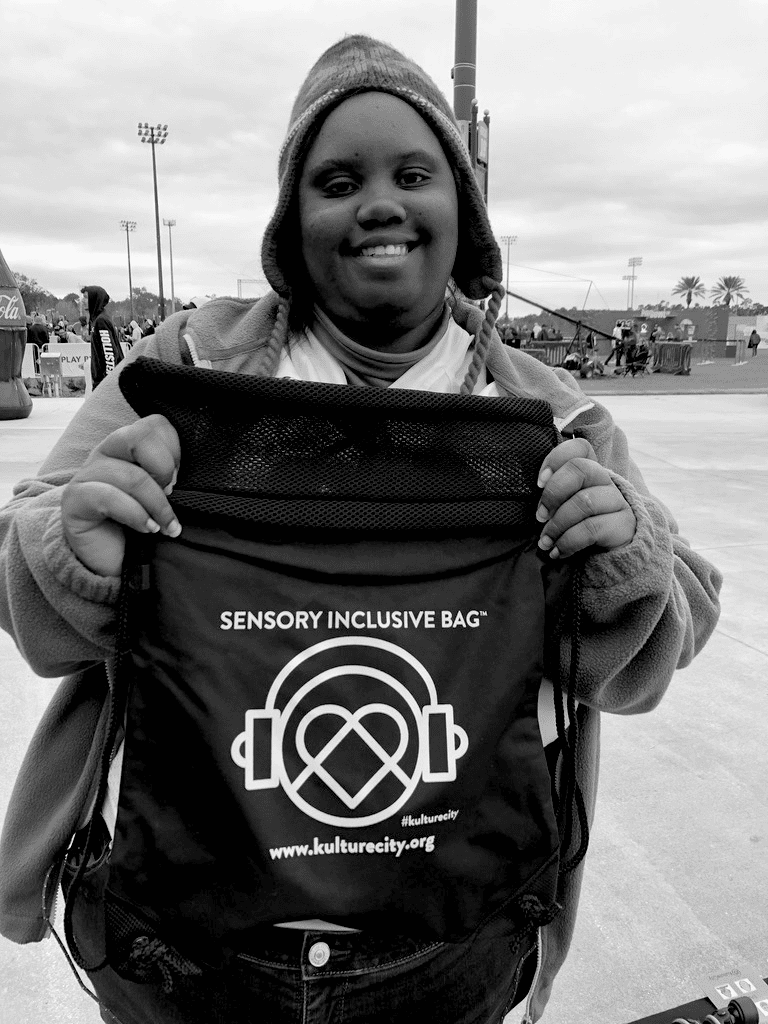
Kulture City is dedicated to creating sensory-inclusive environments in public spaces such as schools, museums, and airports. They provide training for staff in sensory sensitivity and awareness, equipping employees with the knowledge to better support individuals experiencing sensory overload or other challenges. By enhancing staff awareness, Kulture City improves the overall experience for those with sensory processing challenges, ensuring they can navigate these spaces comfortably.
Kulture City pioneer in the provision of sensory bags. These bags contain tools like noise-canceling headphones, fidget tools, and other items that help individuals manage sensory overload. In addition to these bags, they also create sensory rooms and deploy sensory activation vehicles that offer safe, calming spaces for individuals to decompress. These resources empower individuals to engage more fully in their environments. These resources empower individuals to engage more fully in their environments.
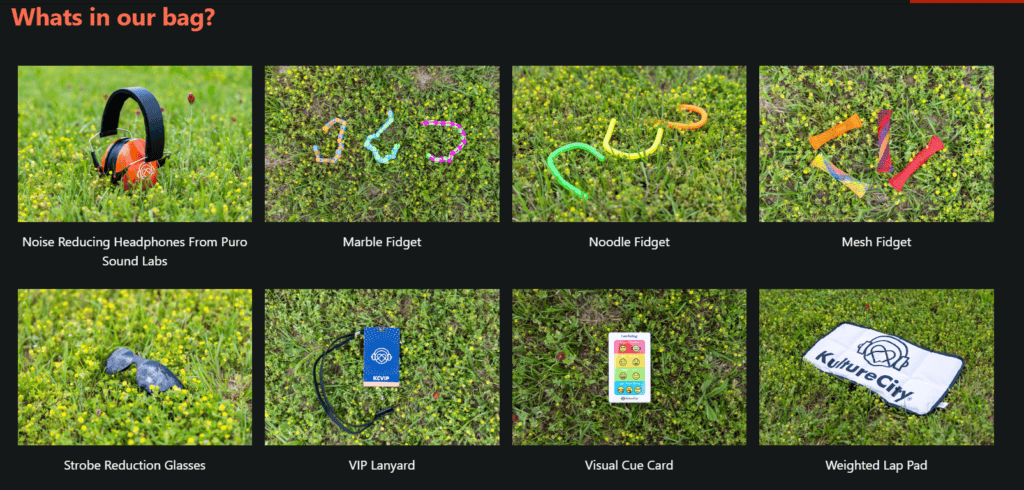
The organisation offers a certification program for venues to become "sensory inclusive." This certification ensures that locations meet specific standards for accommodating individuals with sensory needs, making it easier for these individuals to seek support in various public settings.

Sensory Access is committed to promoting sensory accessibility in public spaces and events. Their mission revolves around advocating for better accommodations for neurodivergent individuals and others with sensory processing disorders.
The organisation provides a range of resources and training for organisations to understand and implement sensory-friendly practices. This includes creating environments that are more accommodating to individuals with sensory sensitivities.
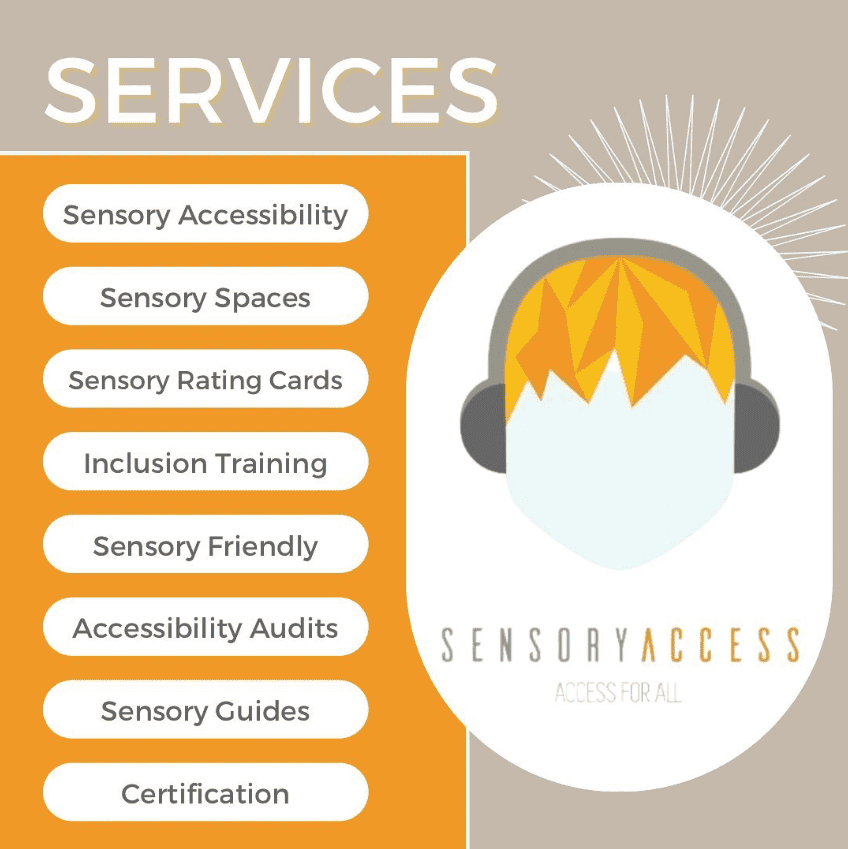
Sensory Access is dedicated to raising awareness about the importance of sensory inclusivity in the community. Through educational campaigns and initiatives, they work to inform the public and increase understanding of sensory processing disorders.
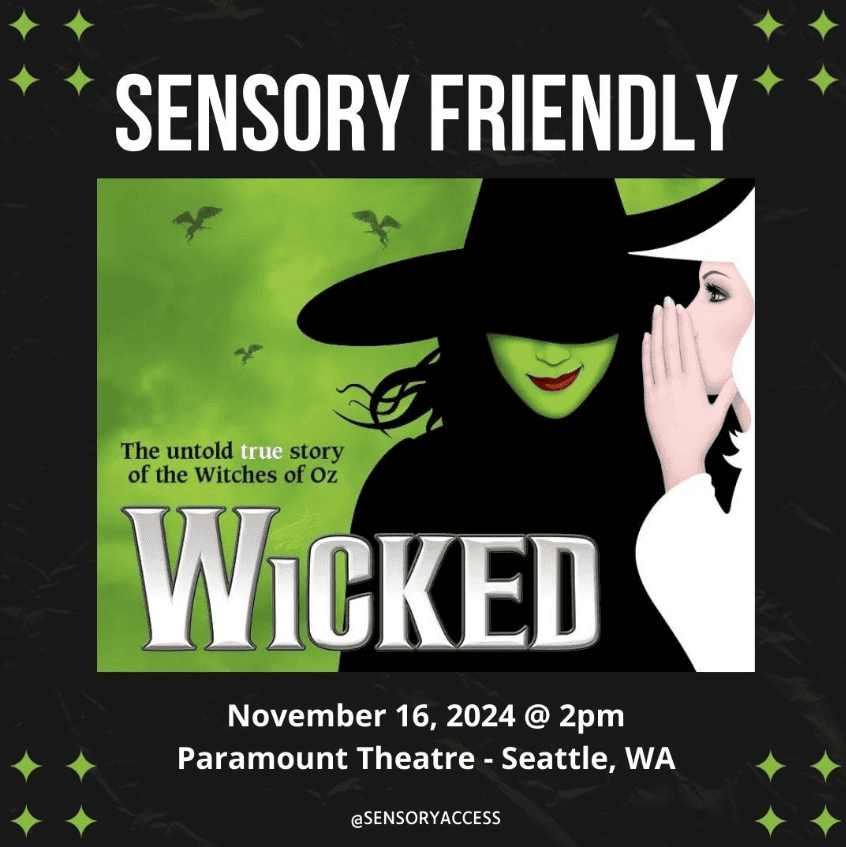
They partner with various businesses and venues to develop more inclusive environments. These collaborations ensure that sensory accessibility becomes an integral part of public planning and design. For example, their upcoming “Sensory-friendly Wicked: The Untold True Stories of the Witches of Oz” is an inclusive and sensory-friendly musical.
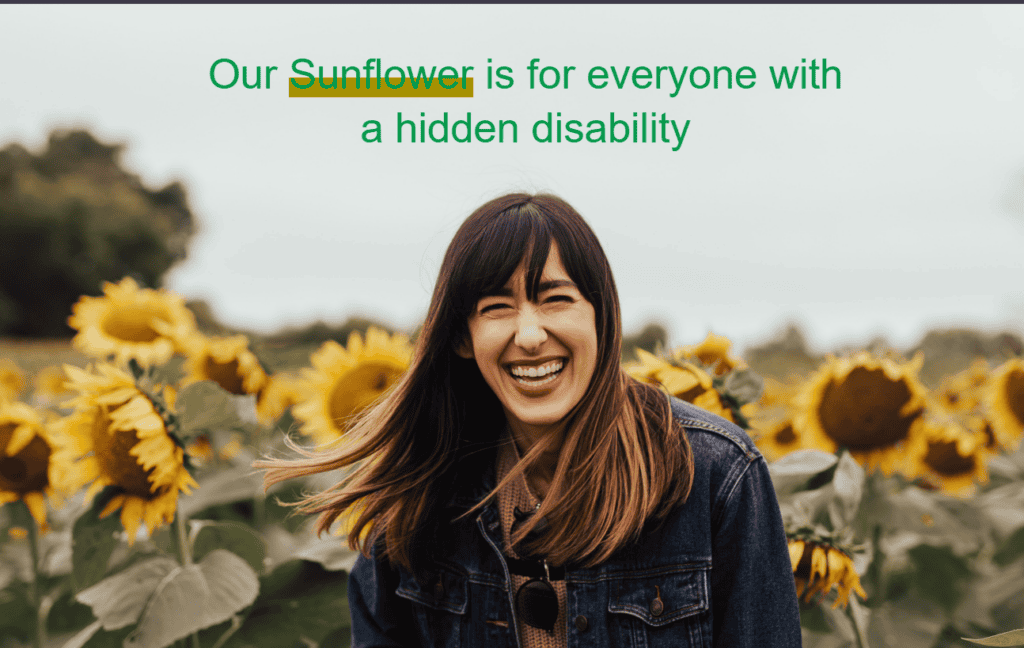
Their vision is a world where no one is left out or overlooked, where people with non-visible disabilities are recognised, respected, and fully included in all areas of life. Where environments are supportive, accessible, and inclusive.
The Sunflower Lanyard program is a widely recognised initiative designed to help individuals with hidden disabilities discreetly indicate their need for additional support in public spaces. This initiative has been widely adopted across public venues and public transport systems throughout the UK and internationally.
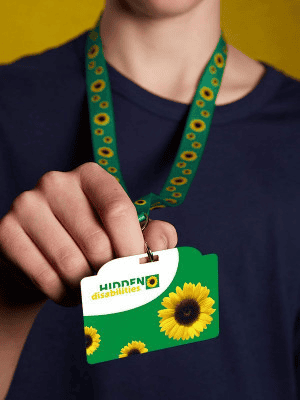
Numerous establishments acknowledge the sunflower lanyard, enabling staff to identify and assist those requiring extra support. This recognition creates a more inclusive and accessible environment. In the UK, venues such as airports, supermarkets (e.g., Tesco, M&S), hospitals, and banks actively participate in the program. They recognise people with Hidden disabilities through the lanyards and are attentive to offer assistance when required.
Wearing the sunflower lanyard is entirely voluntary, making it accessible to anyone who identifies as having a hidden disability. This approach allows individuals to seek assistance without feeling singled out or uncomfortable.

The Sunflower initiative is expanding internationally, with several countries beginning to adopt the program to support individuals with hidden disabilities. This expansion is crucial in raising awareness and promoting inclusivity on a global scale.

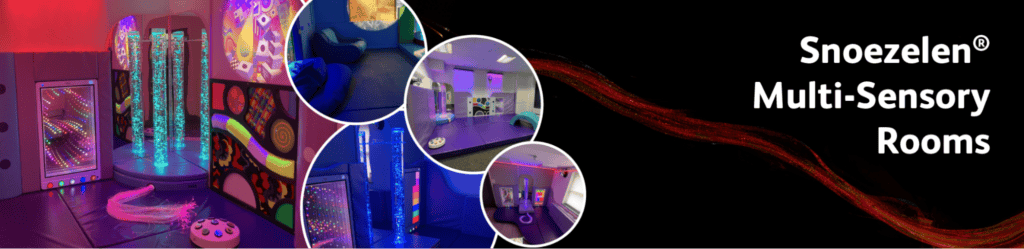
Rompa brings over 30 years of expertise in sensory solutions, specialising in the design and manufacture of customised sensory equipment. Their team is dedicated to creating inclusive sensory environments that cater to a wide range of needs, from soothing relaxation areas to dynamic learning spaces. Offering an end-to-end service, Rompa collaborates closely with professionals such as Occupational Therapists (OTs) to develop tailored sensory rooms and integrated therapy spaces. Their projects span various settings, including schools, care homes, and hospitals, delivering bespoke solutions that promote learning, relaxation, and sensory exploration for individuals of all ages and abilities.
Rompa provides an end-to-end service in providing sensory rooms and equipment specifically designed to meet the diverse needs of individuals with sensory processing disorders. These resources create safe spaces for individuals to explore and engage with their senses.
The organisation offers training and consultancy services to help professionals understand sensory needs and create suitable environments. This training empowers educators, caregivers, and therapists to better support individuals with sensory challenges.
Rompa's products are designed to enhance sensory experiences, ensuring accessibility for all individuals. Their commitment to inclusive design helps create environments that cater to diverse sensory needs.

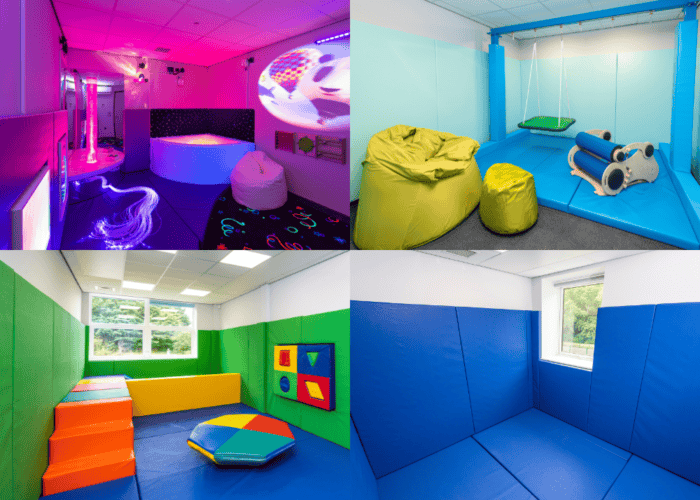
Rhino boasts over 75 years of combined sensory expertise, specialising in customised sensory equipment solutions. Their team focuses on creating inclusive sensory environments that address various needs, from calming spaces to interactive learning areas. Collaborating closely with professionals, including Occupational Therapists (OTs), Rhino designs integrated therapy rooms and bespoke sensory spaces. Their projects range from large installations in football stadiums to creating sensory buses and intimate classroom corners, ensuring tailored solutions for learning, relaxation, and exploration.
Rhino ensures projects are completed within the specified timelines to meet customer requirements. Their team provides ongoing advice and guidance throughout the project process, ensuring a seamless experience. Customers also receive support from the initial concept through to the finished sensory space, making the process straightforward and effective.
Rhino's products are designed with infection control in mind, offering sensory-friendly equipment that is easy to clean and maintain. This focus ensures that users can safely explore their senses in a hygienic environment. Additionally, with a nationwide presence, Rhino provides services across the UK, from remote areas like the Scottish Isles to major urban centres, guaranteeing accessibility for all.
Rhino's commitment to customer support is evident through their sensory team, always available to provide personalised advice and recommendations for both small queries and large-scale projects. Their extensive experience and comprehensive service make Rhino a leading provider for creating bespoke, functional, and inclusive sensory environments.
These organisations are making significant strides in improving sensory accessibility for individuals with hidden sensory disabilities. By advocating for sensory-inclusive environments, providing resources, and raising awareness, they contribute to creating a society that values and supports all individuals, regardless of their sensory needs. As awareness of sensory processing disorders continues to grow, these organisations play a vital role in ensuring that individuals can navigate their environments with greater ease and support.
Neurodiversity refers to the natural variation in human cognition, leading to conditions such as autism, ADHD, dyslexia, and other cognitive differences. As awareness of neurodiversity grows, so does the importance of creating accessible environments for neurodivergent individuals, especially children. This concept is becoming increasingly vital as society moves towards greater inclusivity. While some general knowledge about accessibility for neurodivergent individuals is spreading, many lesser-known aspects still require greater awareness and understanding. In this article, we will explore five lesser-known facts about neurodiverse accessibility and discuss ways to create environments that cater to diverse needs.
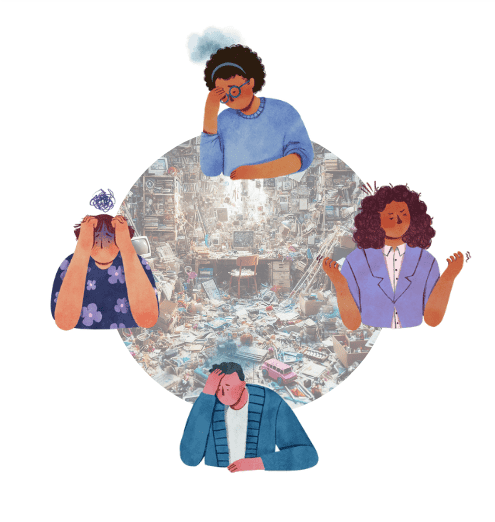
Cognitive or Sensory overload occurs when the brain is overwhelmed with too much information, making it difficult to focus or process stimuli. While many people are familiar with sensory overload caused by loud noises or bright lights, cognitive overload from visual clutter is often overlooked. This form of overload can be equally challenging for neurodiverse individuals.
Neurodiverse individuals, especially those with ADHD and autism, may struggle to filter out unnecessary stimuli, which can lead to a sense of overwhelm in cluttered environments. This applies to physical spaces as well as digital interfaces, where excessive text, moving images, or complicated navigation can make it hard to focus.
To reduce cognitive load, simplifying visual environments is key. This can enhance understanding and organisation for neurodivergent individuals, making their environments more accessible.
Things which can be done to reduce cognitive overload:
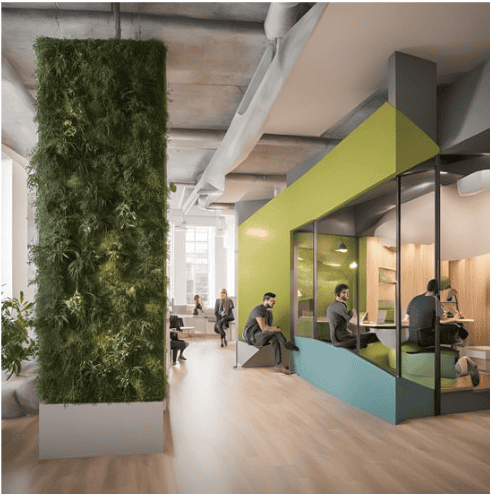
While noise-cancelling headphones and quiet rooms are commonly recommended basic accommodations for neurodiverse individuals, less attention is paid to the importance of flexible environments. Neurodiverse individuals have varying needs when it comes to their work or learning spaces—some may prefer quiet, isolated areas, while others might thrive in more open, collaborative settings.
Flexible workspaces allow individuals to adapt to their environment based on their sensory needs and preferences, which can significantly boost productivity and comfort. This is equally important for children at home, where multiple zones for different activities can provide options that suit their mood or focused needs.
Things which can be done to make spaces flexible:
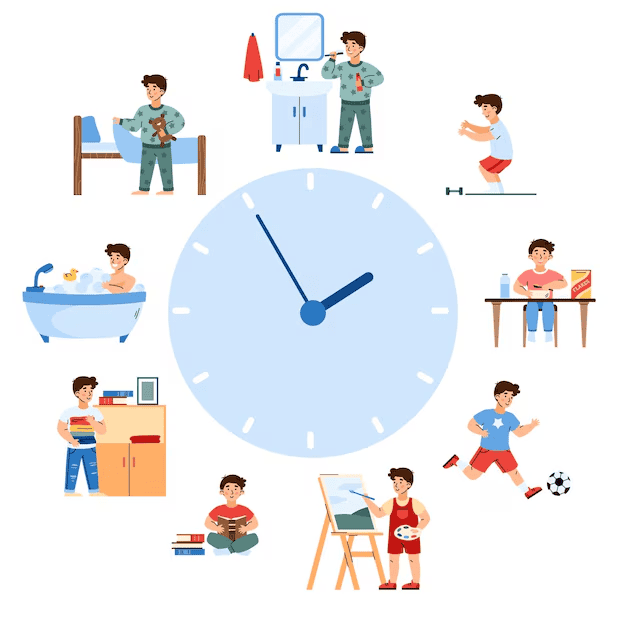
Many neurodiverse individuals, including children, rely on structure and predictability to manage anxiety and stay grounded. A lesser-known aspect of neurodiverse accessibility is how sudden changes to a routine can be destabilising to neurodiverse individuals. This can affect everything from unplanned schedule changes in schools and workplaces to spontaneous updates in digital interfaces.
For example, an unexpected app update that alters the user interface without notice can cause confusion and frustration, disrupting their routine. Similarly, sudden changes in classroom environments can trigger stress for students on the autism spectrum.
Things which can be done to make routines manageable are:

The significance of lighting in creating neurodiverse-friendly spaces is often overlooked. Neurodiverse individuals can be highly sensitive to fluorescent lighting, flickering bulbs, and harsh colour temperatures. Poor lighting can lead to sensory overload, making it difficult to concentrate and work efficiently, while dim or inadequate lighting can create an uncomfortable environment for learning or play.
Things to do to help neurodivergent individuals cope better with light are:
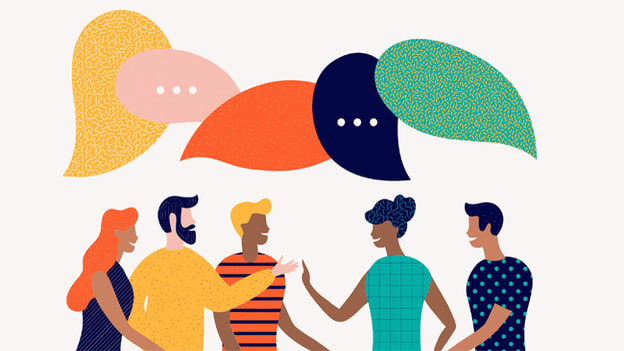
While sensory accommodations like noise reduction and flexible lighting are essential for neurodiverse accessibility, it also involves rethinking communication styles, organisational structures, and learning methods. Neurodiverse individuals may struggle with understanding implicit social cues or engaging in typical brainstorming sessions that rely heavily on verbal communication. Some may prefer written instructions over verbal ones or benefit from visual aids like charts and diagrams. Recognising and adapting communication styles can significantly enhance engagement and learning for neurodiverse individuals and others alike.
Ways to identify and adapt communication styles are:
Conclusion
In conclusion, fostering neurodiverse accessibility is crucial for creating inclusive environments that meet the diverse needs of individuals, especially children. Understanding cognitive processing, environmental structure, and communication styles allows us to implement practical strategies like reducing visual clutter, embracing flexible workspaces, and adjusting lighting. These small changes not only support neurodivergent individuals but also enrich everyone’s experience, promoting a more understanding community. By advocating for neurodiversity and celebrating individual differences, we can ensure that all individuals thrive and participate fully in their communities.
References
Imagine walking into a space that instantly feels overwhelming—bright lights, loud sounds, and unpredictable movement. For many neurodivergent individuals, this is a daily challenge. At Sensory ALL™, we create environments where everyone feels safe, supported, and understood.
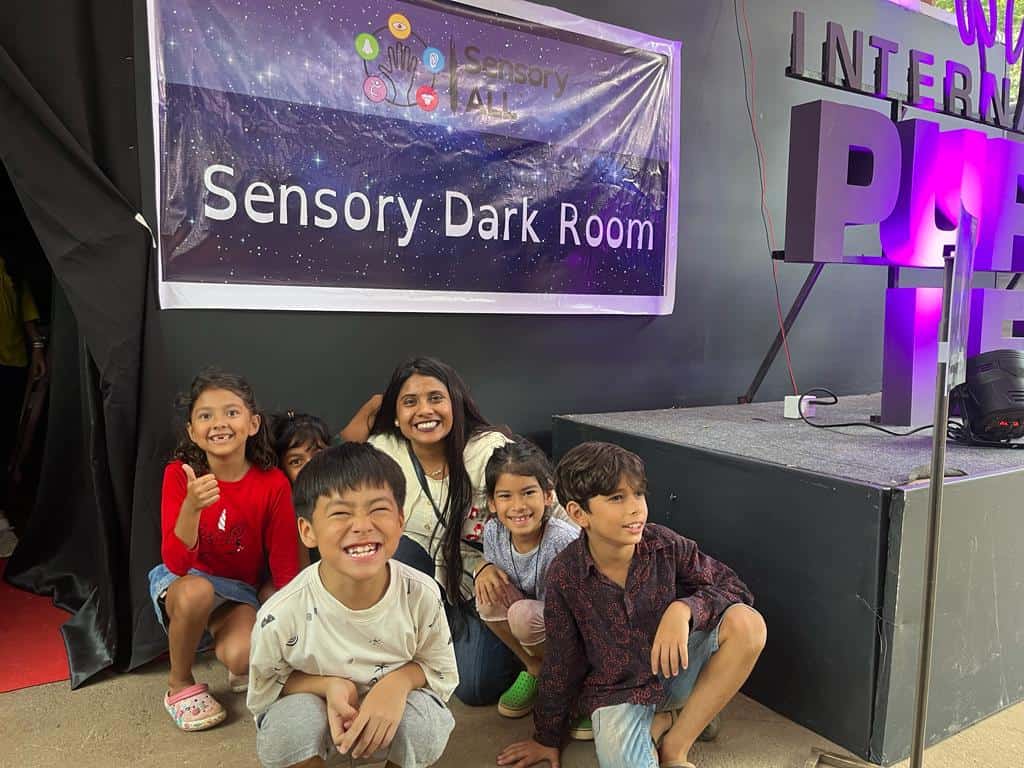
Sensory ALL™, a pioneering initiative under AxcesAble Designs LLP, is India's first social impact startup dedicated to building neurodiverse-friendly spaces. Using evidence-based strategies and innovative solutions, we transform homes, workplaces, schools, and public areas into inclusive, sensory-safe environments. Here’s how we do it:
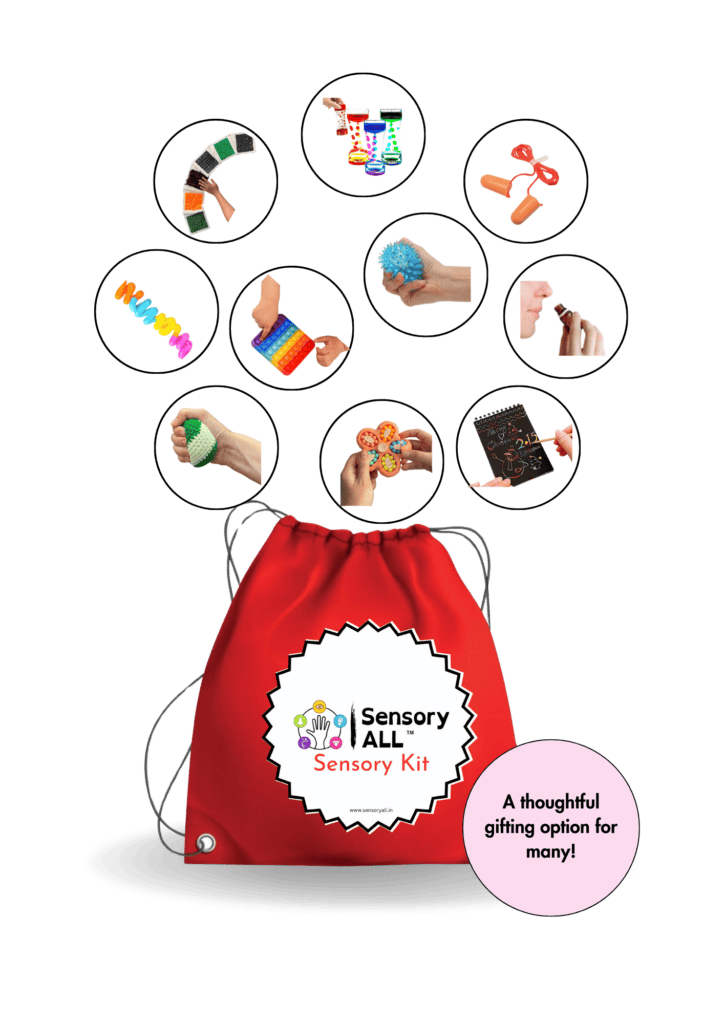
Everyone experiences the world differently, and for neurodivergent individuals, the right sensory input can make all the difference. Our portable Sensory Toolkits are designed to provide customized sensory experiences through tools and toys catering to visual, auditory, olfactory, tactile, and cognitive needs.
Perfect for kids and adults alike, these kits help manage sensory overload, promote relaxation, and support self-regulation. We are continuously working to introduce customizable options so each toolkit is tailored to individual needs.
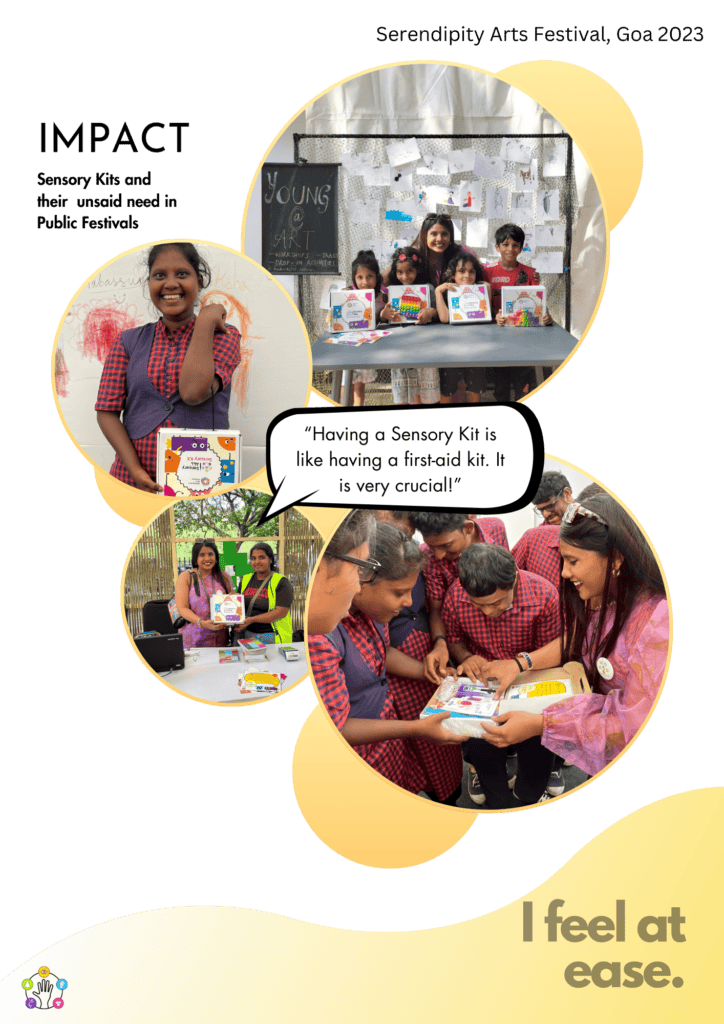
Traditional spaces aren’t always designed with neurodiverse individuals in mind. Through NEURA™ (Neuro Environmental Universal Design User Responsive Assessment), we evaluate and modify spaces to enhance accessibility and comfort. Our framework assesses physical and sensory elements, gathers user feedback, and provides actionable recommendations to create truly inclusive environments.
For homes, we offer personalized sensory profiling and tailored modifications to make living spaces more accommodating.

For schools and workplaces, our NeuroAccess Audit helps organizations build neurodiverse-friendly environments that foster inclusion and productivity.

In a world full of unpredictable stimuli, having a dedicated space for sensory regulation is essential. Our Sensory Rooms provide calming environments where individuals can relax and engage with sensory elements suited to their needs.
We offer two types:
Permanent Sensory Rooms: Ideal for long-term solutions in schools, therapy centers, workplaces, and homes.
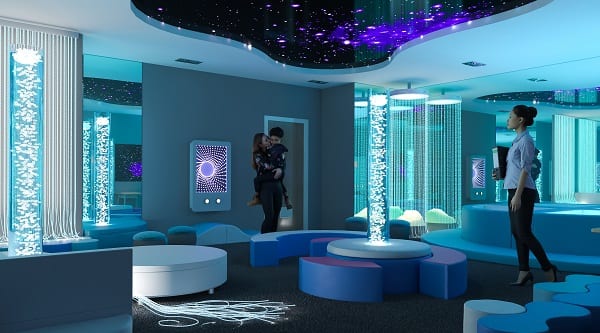
Temporary Sensory Zones: A flexible, cost-effective alternative for events, public spaces, or homes with limited room.
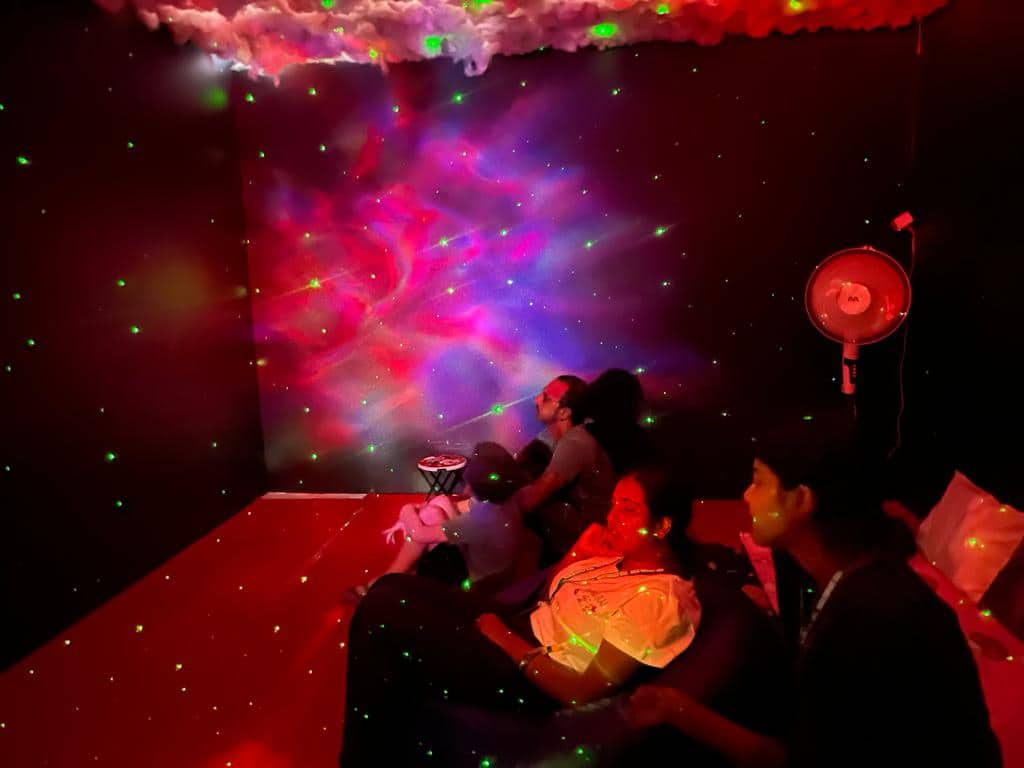
Both options create controlled environments that benefit neurodivergent individuals and support overall well-being.
For individuals with communication challenges, Augmentative and Alternative Communication (AAC) boards provide an essential bridge to understanding and self-expression. We design custom AAC-based signage for educational institutions, workplaces, healthcare facilities, and public spaces to ensure clear, accessible communication for all.
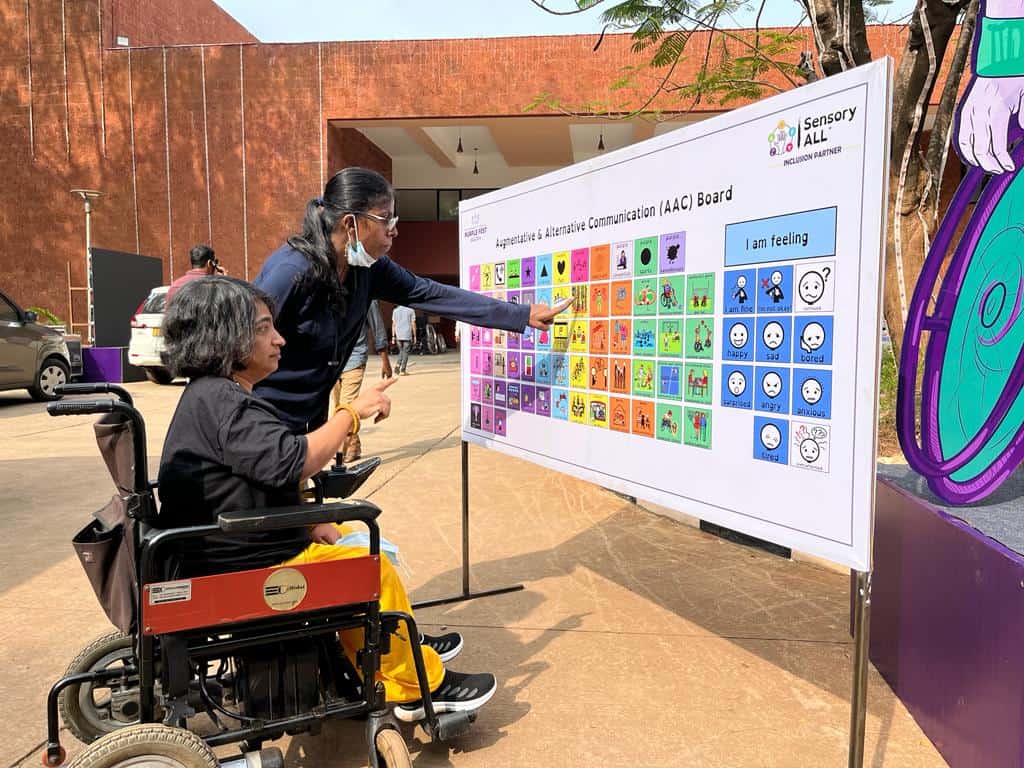
By incorporating visuals and symbols, these tools help neurodivergent individuals navigate environments more comfortably and independently.
Predictability reduces anxiety and enhances comfort. Our Sensory Mapping service assesses spaces and assigns sensory zones based on stimuli like sound levels, lighting, and textures. Using sensory stickers, we label different areas to help individuals make informed choices about their surroundings.
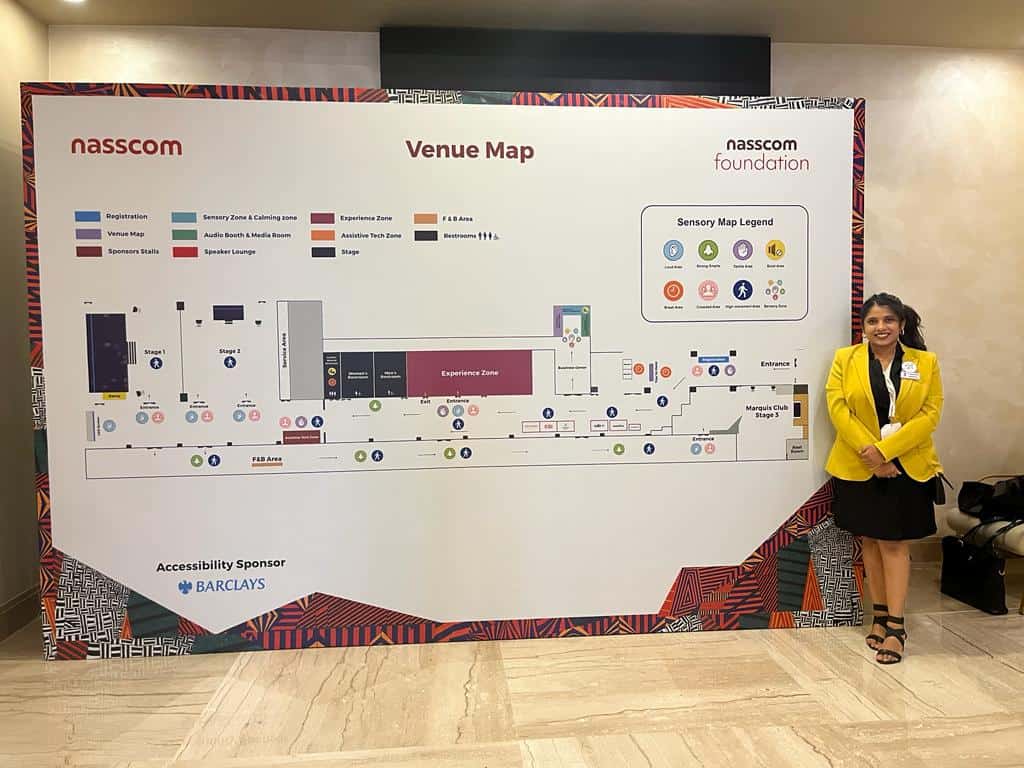
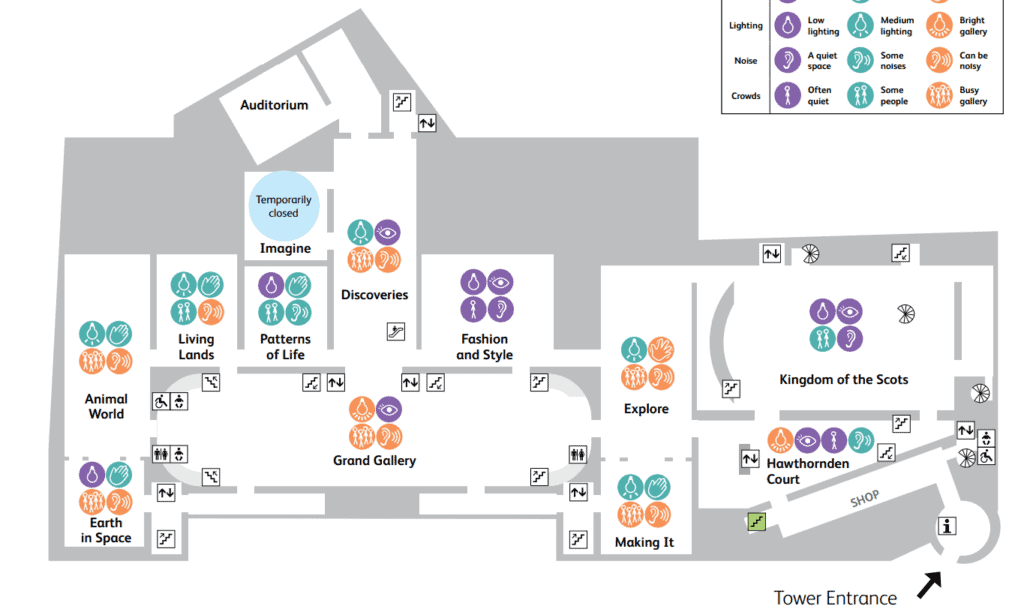
This approach is particularly beneficial in workplaces, schools, events, and public spaces, allowing people to navigate environments confidently and engage based on their sensory preferences.
At Sensory ALL™, we believe that accessibility isn’t a privilege—it’s a right. By transforming spaces into safe, sensory-inclusive environments, we empower neurodivergent individuals to thrive in everyday life.
Want to make your space more neurodiverse-friendly? Let’s create a world where everyone feels seen, heard, and valued.
Contact Us at info@senosryall.in to learn more about our services and how we can help!